
 |
Water Pumps & Impellers Choose Your Manufacturer |
 |















Boat Impellers and Water Pumps
Boat water pumps circulate cooling water through marine engines and related systems to help control operating temperature. Depending on the engine and cooling-system design, a water pump may supply raw water directly to the engine or move it through a heat exchanger and exhaust system.
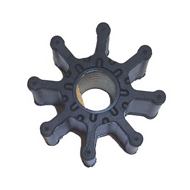
Many marine water pumps use a flexible impeller with rubber vanes. As the impeller rotates, its vanes draw water into the pump and move it through the cooling system. Heat, age, sand, silt, salt deposits, dry operation, and normal use can cause the vanes to harden, crack, deform, or break.
Boat Water Pump Impellers, Kits, and Components
The parts required for water-pump service vary by application. Wholesale Marine carries individual impellers, water-pump repair kits, and related components for popular marine engines.
Depending on the product and application, a water-pump kit may include:
- Flexible water-pump impeller
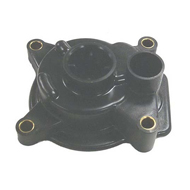
- Water-pump housing or upper housing
- Wear plate and insert cup
- Gaskets and O-rings
- Impeller key
- Seals, washers, or mounting hardware
Kit contents vary. Review the individual product listing to determine what is included and whether additional components are required.
Choosing the Correct Marine Water Pump Parts
Boat impellers and water-pump components are application-specific. Parts that look alike may have different dimensions, vane configurations, shaft designs, housing styles, or cooling-system applications.
Before ordering, verify:
- Engine manufacturer
- Engine model and horsepower
- Model year or production range
- Engine serial or model number
- Outboard, sterndrive, or inboard application
- Pump location and cooling-system design
- Whether you need an impeller or complete repair kit
Do not select an impeller based only on its appearance or outside diameter. Compare the product application information with the engine owner’s manual, parts catalog, or service information.
Signs a Boat Water Pump or Impeller Needs Attention
Possible signs of a worn impeller, damaged water pump, or restricted cooling system include:
- Weak, inconsistent, or absent cooling-water discharge
- Engine temperature rising above its normal range
- An overheat warning, alarm, or related fault code
- Steam or unusually hot water from the cooling discharge
- Visible cracks, missing vanes, or permanent deformation on the impeller
- Scoring or wear inside the pump housing or on the wear plate
- Water leaking around the pump or related connections
These symptoms do not always confirm a failed impeller. A clogged intake, restricted cooling passage, damaged thermostat, faulty pressure-control valve, low coolant level, or another cooling-system problem can cause similar symptoms.
When Should a Boat Impeller Be Replaced?
Inspect the impeller and water-pump assembly regularly and follow the service interval published by the engine manufacturer. Many boaters include an annual water-pump inspection in their boat maintenance, especially when operating in salt, brackish, sandy, silty, or shallow water.
An impeller may require earlier replacement after dry operation, overheating, debris ingestion, extended storage, or uncertain maintenance history. A rubber impeller can also take a permanent set or deteriorate even when the engine sees limited use.
Never intentionally operate a water-lubricated flexible impeller without an adequate water supply. Follow the engine manufacturer’s approved flushing and testing procedures.
Boat Water Pump Service Tips
Water-pump replacement procedures vary considerably between outboard, sterndrive, and inboard applications. Always use the correct service information.
- Allow the engine to cool before beginning service.
- Disconnect the battery or disable the ignition when required.
- Note shift linkage and component positions before disassembly.
- Inspect the impeller, housing, cup, wear plate, key, seals, and gaskets.
- Account for every impeller vane and locate missing pieces when possible.
- Install the impeller in the correct orientation using an approved lubricant when specified.
- Replace disturbed gaskets, seals, and O-rings as directed.
- Tighten fasteners to the manufacturer’s specified torque.
- Verify cooling-water flow and check for leaks after service.
If you do not have the appropriate tools, procedures, or experience, have the water pump serviced by a qualified marine technician.
Shop Boat Impellers and Water Pumps
Wholesale Marine carries boat water pumps, impellers, repair kits, housings, and related cooling-system components for leading marine engine manufacturers. Choose your engine manufacturer above to shop compatible parts.
If you need help identifying the correct water-pump parts, call our customer-service team at 877-388-2628. Have your engine manufacturer, model, horsepower, year, and serial or model number available when possible.
Boat Water Pump and Impeller FAQs
What does a boat water pump impeller do?
A flexible impeller rotates inside the pump housing to draw in water and move it through the engine’s cooling system. This flow helps remove heat from the engine and, in many applications, supplies cooling water to the exhaust system.
How often should a boat impeller be replaced?
Replacement intervals vary by engine, pump design, operating conditions, and use. Inspect the impeller and water-pump assembly regularly and follow the schedule in the engine owner’s manual. Earlier replacement may be necessary after dry operation, overheating, debris ingestion, or extended storage.
Should I replace only the impeller or the complete water-pump kit?
That depends on the condition of the pump and the engine manufacturer’s service requirements. A complete kit may be appropriate when the housing, cup, wear plate, seals, or other components show wear. Review the kit contents because included parts vary.
Can I run a boat engine without water for a few seconds?
Do not intentionally operate a water-lubricated flexible impeller without an adequate water supply. Dry operation can quickly generate heat and damage the impeller. Follow the engine manufacturer’s approved flushing and testing procedures.
Why is there no water coming from my outboard telltale?
A weak or absent telltale stream can be caused by a blocked outlet, clogged water intake, damaged impeller, worn pump components, or another cooling-system restriction. Shut down the engine if it is overheating and diagnose the complete system before replacing parts.
How do I find the correct water pump for my boat engine?
Match the parts using the engine manufacturer, model, horsepower, year, serial or model number, and application. Also determine whether you need an individual impeller, a service kit, or a complete pump assembly.