When you’re out on the water, nothing gives peace of mind like knowing your anchor will hold. The right choice keeps your boat steady, whether you’re stopping for lunch, fishing a favorite spot, or riding out a squall. Experienced boaters probably already know what works best for their vessels, but for new boat owners, figuring things out can feel a little overwhelming.
Don't worry; once you understand how different types of anchors work and what bottoms they’re best suited for, choosing the right one becomes much easier. Let's get started!
Article Contents:
Understanding Boat Anchor Types and Their Uses
Anchors might look simple, but each type is designed with a specific purpose in mind. Some bite fast in soft sand, others grip through grass or clay, and a few are made to reset themselves if the wind shifts. That’s why it’s important to think about more than just weight when comparing boat anchor types.
Here’s what really matters when looking at the different types of anchors and their uses:
- Boat size and weight: The bigger the boat, the more holding power you’ll need.
- Seabed conditions: Mud, sand, rock, or grass; anchors perform differently depending on what’s below.
- How you anchor: Day trips, overnight stays, or storm conditions all call for different strategies.
Once you grasp the strength of each design, it’s much easier to pick the right option and know your boat will stay put when you drop the hook.
A Closer Look at the Different Types of Anchors
A fisherman wouldn’t bring the same lure to every lake, and a boater shouldn’t rely on one anchor design for every seabed. Knowing the strengths of each style helps you match the anchor to the conditions, so your boat stays right where you want it.
Fluke Anchors (Danforth Style)
Lightweight and easy to handle, fluke anchors are one of the most popular types of boat anchors for small to mid-sized vessels. Their wide, flat flukes dig into sand or mud and provide strong holding power for their size. They also stow flat, making them easy to store in tight anchor lockers.
Plow Anchors
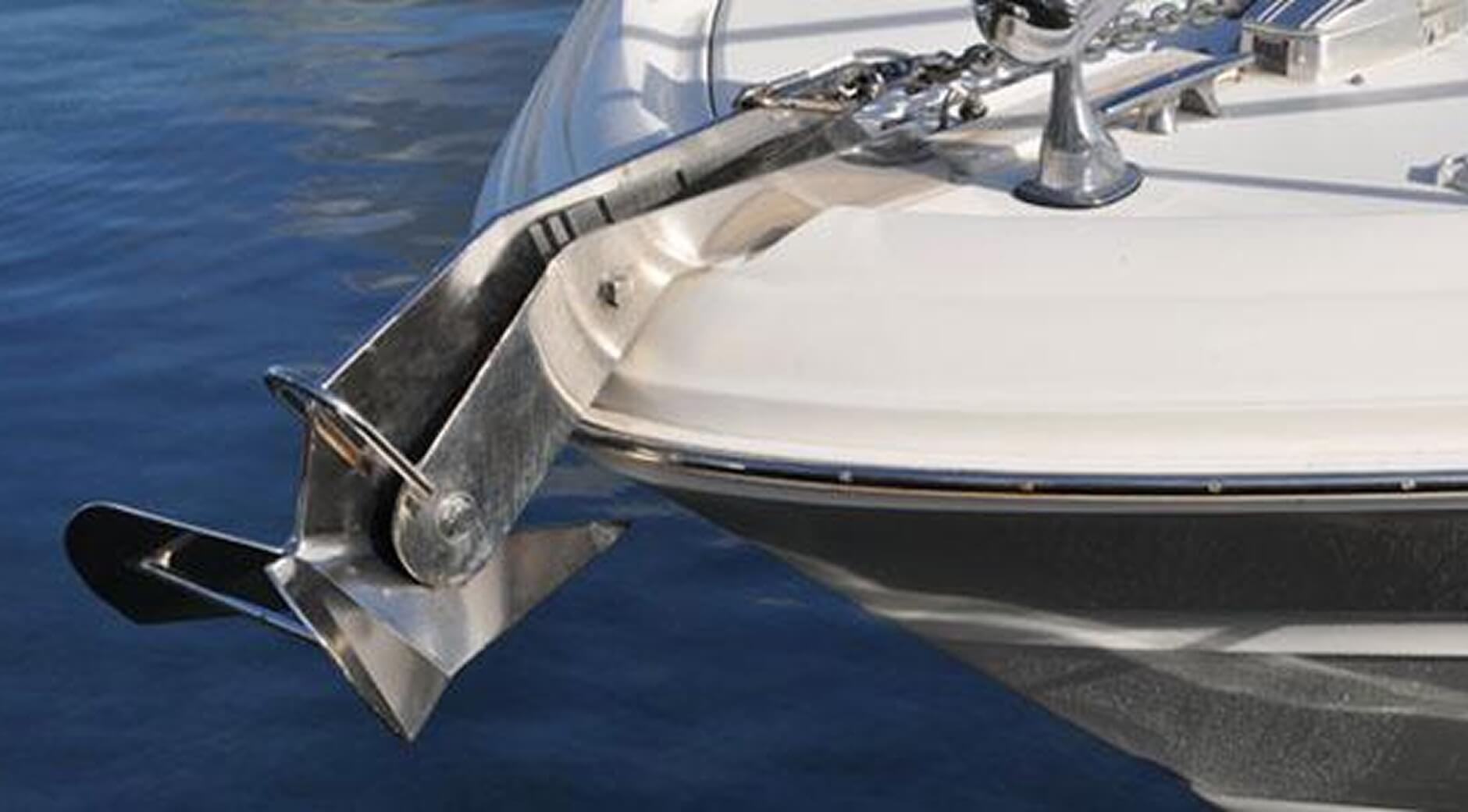
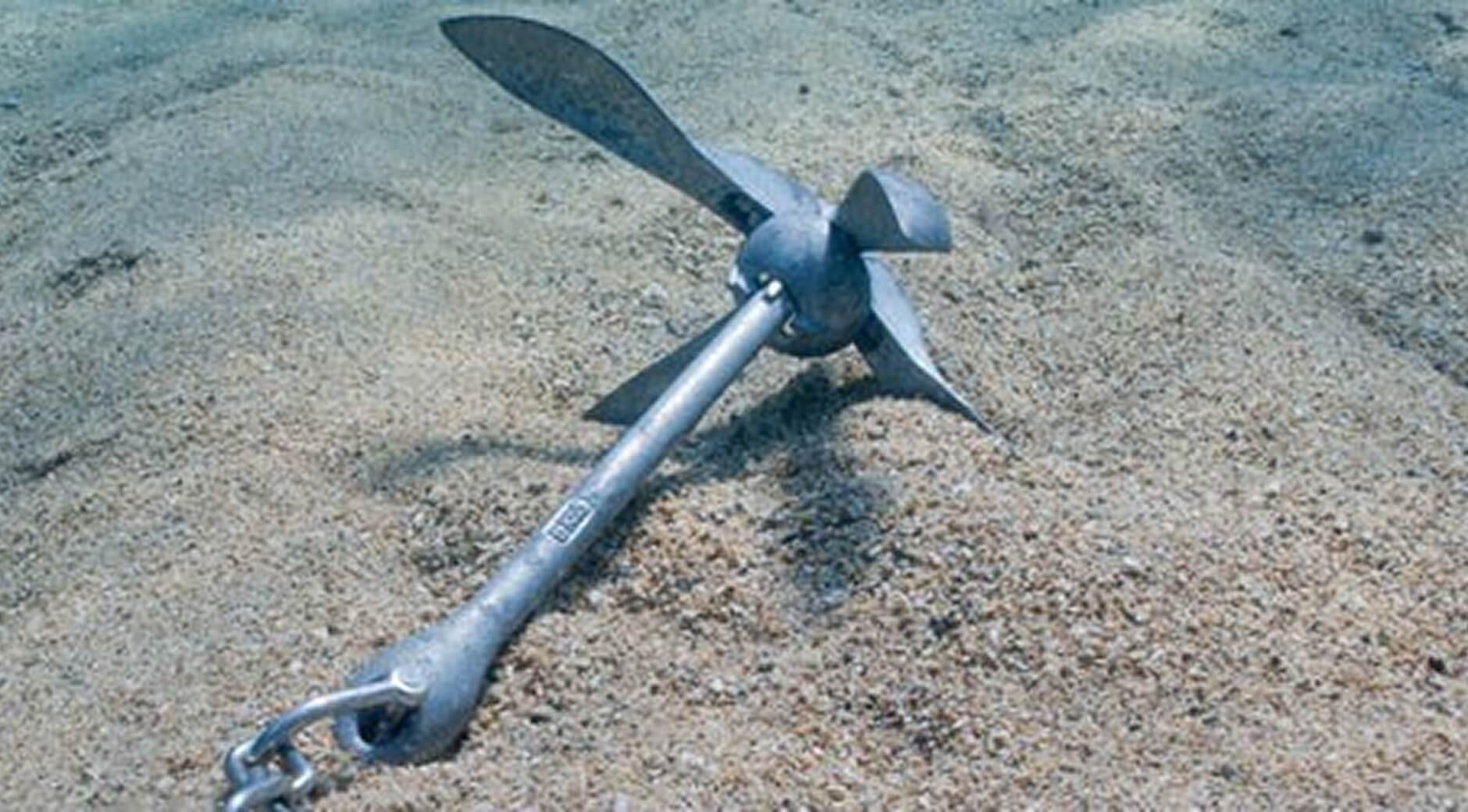
Shaped like a farmer’s plow, this design buries itself when pulled along the seabed. Plow anchors are reliable in sand, mud, and grassy bottoms, and they reset themselves well if wind or tide shifts. Many cruisers and powerboats rely on this design as their primary anchor.
Claw Anchors (Bruce Style)
Claw anchors are known for setting quickly and holding in a wide range of seabeds, from sand to rock. While they may not offer the highest holding power per pound, their versatility makes them a favorite for recreational boaters who anchor in varied conditions.
Mushroom Anchors
With their rounded, bowl-like shape, mushroom anchors are best suited for soft mud or silt bottoms. They’re commonly used for dinghies, PWCs, or as permanent moorings because they create suction when buried.
Navy Anchors
These traditional anchors rely on sheer weight and short, heavy flukes to hold. Navy anchors perform well in shale, clay, or grassy bottoms where penetration is difficult. They’re often found on larger vessels that benefit from extra holding strength.
Grapnel Anchors
Compact and equipped with multiple tines, grapnel anchors are ideal for rocky seabeds where they can hook onto structures. They’re also handy as a secondary anchor for smaller boats because they fold up for easy storage.
What Your Anchor Is Made Of Matters
Once you’ve narrowed down the types of anchors that fit your boating style, the next step is choosing the right material. The construction not only affects strength and durability but also how the anchor looks on your bow and how well it protects your boat.
- Galvanized Steel: The most popular option thanks to its high tensile strength and affordability. It holds up well to repeated use in saltwater.
- Stainless Steel: Durable and corrosion-resistant with a polished finish that looks sharp when stowed on deck. A favorite for boaters who want performance and style.
- Cast Iron: Heavier than most, these anchors really dig in and provide reliable holding in tough conditions.
- Vinyl- or PVC-Coated Anchors: Ideal for boaters worried about scratching their hull. The coating not only protects your finish but also adds a layer of corrosion resistance. Wholesale Marine carries trusted brands like Greenfield, known for heavy-duty coatings that last.
The right material comes down to how you use your boat, where you anchor, and what balance you want between strength, appearance, and protection.

How to Choose the Best Anchor for Your Vessel
Picking from the many types of anchors is easier when you match the design to your boat, your seabed, and your weather. Think about performance first, then storage and handling, then budget.
Start With Holding Power, Not Just Weight
Manufacturers rate anchors at a baseline of about 30 knots. That works for a primary or “working” anchor. When wind speed doubles, the load on your ground tackle increases roughly four times, so size up if you anchor overnight or in exposed water. Many boaters keep a heavier storm anchor for 45 knots and up.
Match Boat and Windage
Length and displacement matter, but so does windage. Hardtops, cabins, towers, and T-tops catch air. If your boat carries more windage than average for its length, choose the larger size on the chart or move up to a higher-holding design.
Choose by Bottom Type
This is where boat anchor types and uses really diverge. Use this quick guide to the different types of anchors:
- Sand: Fluke or non-hinged scoop anchors set fast and hold hard.
- Mud: Go for deeper penetration. Fluke designs with broader fluke angles and modern scoop anchors are popular.
- Rock and coral: Plow or grapnel styles excel due to strong frames that can hook or wedge. Avoid dropping on coral when possible.
- Shale, clay, heavy grass: Weight helps. Navy anchors and some plows can cut through vegetation where lighter designs skate.
Consider How You Anchor
Day stops, fishing sessions, and frequent short sets favor quick-setting designs like fluke, claw, or modern scoop. Cruising and overnights reward anchors that reset reliably after a wind or tide shift, such as plow or scoop styles.
Plan for More Than One Anchor
Two complementary types of boat anchors give you options. A lighter fluke for easy sand sets pairs well with a plow or scoop for mixed bottoms and stronger fronts. Add a compact grapnel if you regularly nose into rocky coves.
Storage and Handling
No bow roller or pulpit usually points to a flat-stowing fluke or a folding grapnel. If you run a roller up front, plow and scoop designs are simple to launch and recover. Stainless looks great on the bow. Galvanized gives strong value. Coated anchors help prevent scuffs.
Rode Matters as Much as the Hook
Chain improves bite and keeps the pull along the seabed. A rope-and-chain rode is common for small and midsize boats, while an all-chain shines for frequent anchoring and heavier cruisers. You will use scope guidelines in the next section, but keep in mind that more scope increases holding.
Lean On Real Charts and Support
Anchor makers publish size and holding charts by boat length and displacement. Use those tables, then add a safety margin if you anchor in current, gusty bays, or crowded harbors.
Wholesale Marine carries a wide range of anchoring gear, including boat anchor types, materials, and rodes. If you're torn between two sizes, go larger for peace of mind.
Smart Anchoring Tips Every Boater Should Know
Even once you’ve picked the right anchor, a few good habits can make the difference between holding steady and drifting off course. Here are some tried-and-true tips:
- Carry More Than One Anchor: Relying on a single hook isn’t always enough. Keep a working anchor for everyday use, a lunch hook for quick stops in calm weather, and a storm anchor sized for heavy blows or overnight conditions. Having options means you can adapt when the forecast changes.
- Use the Right Scope: Scope is the ratio of anchor line to water depth, and it’s key to holding power. A 5:1 scope is the baseline, 7:1 is better for staying overnight, and 10:1 is rock-solid if you’ve got the room. Example: in 10 feet of water with 3 feet from surface to bow cleat, you’ll want at least 65 feet of rode out.
- Anchor Retrieval Made Easy: When it’s time to leave, don’t muscle it. Motor slowly forward until you’re directly above the anchor, then pull in line as you go. Snub the rope on a cleat and apply gentle reverse power to break the anchor free. This way, you avoid straining your gear or gouging the seabed.
Smart anchoring isn’t just about the hardware; it’s about technique. Follow these tips and your anchor will do its job without surprises.
Wholesale Marine Is Your Source for Every Type of Boat Anchor
No matter where you drop the hook, the right anchor makes all the difference between drifting off and staying locked in. With so many types of anchors to choose from, it helps to shop with a source that knows boating inside and out. At Wholesale Marine, you’ll find one of the widest selections of boat anchor types and uses, from flukes and plows to coated options that protect your hull.
We’re boaters too, which means our support team can help you sort through sizing charts, seabed considerations, and hardware to make sure you get the right fit for your vessel. Add in fast shipping, a price match guarantee, and flexible financing, and you’ll see why so many boaters count on us when it’s time to upgrade their gear.
Explore our full anchor selection today, and head out knowing your vessel will hold strong when you need it most.
Shop Anchors at Wholesale MarineFrequently Asked Questions About Different Types of Anchors
Still sorting through all the different types of anchors? We’ve rounded up some of the most common questions boaters ask when choosing an anchor with answers to help you pick the right setup for your vessel.
Should I have more than one type of anchor on board?
Yes. Carrying more than one anchor gives you flexibility for different seabeds and conditions. Many boaters keep a fluke for sand and mud, plus a plow or scoop for mixed bottoms or overnight holding. Having options means you’re better prepared when conditions change.
How does anchor design affect its holding power?
Anchor shape determines how well it digs in and resets. Fluke anchors bury deeply in sand, plows hold steady through shifts, and scoop anchors provide consistent bite across multiple bottoms. The right design paired with proper scope gives you the strongest hold.
How much anchor rode do I need?
A common rule is a 5:1 scope ratio, meaning five feet of rode for every foot of water depth from bow to seabed. For overnight or rough conditions, extend to 7:1 or even 10:1 when possible. More scope keeps the pull along the bottom and maximizes holding power.
Related Articles