

Ever had your boat settle in nicely, only to look up a few minutes later and realize you've drifted farther than planned? When the wind shifts or boat traffic kicks up a little chop, anchoring is about staying put with confidence. So, how does a fluke-style anchor hold a recreational boat in place, and why is it such a popular choice for recreational boaters?
Let's break down how fluke-style anchors work, where they perform best, and how they compare to other common anchor styles. By the time we cast off, you'll be ready to anchor with confidence using the right setup for your boat.

The Lowdown on Fluke-Style Anchors
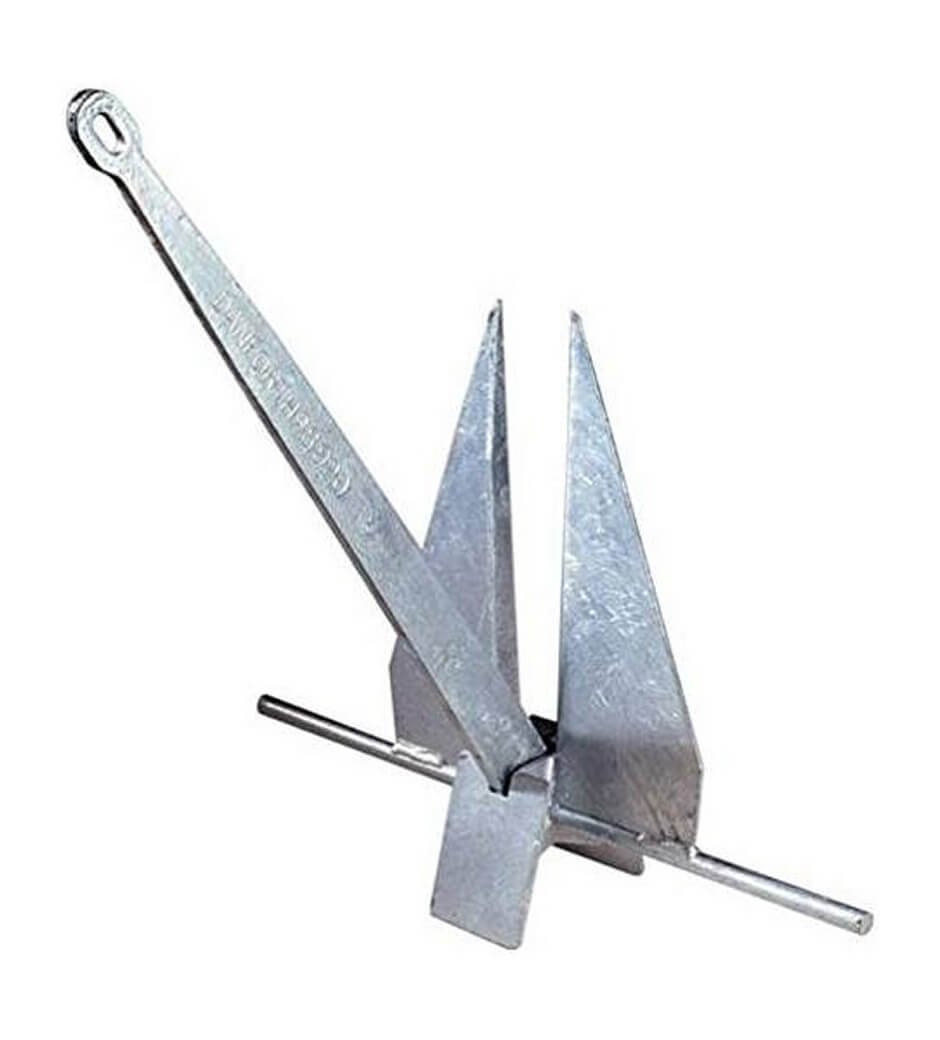
A fluke-style anchor, often called a Danforth anchor, is a lightweight anchor with excellent holding power in soft bottoms, like sand and mud. Its defining feature is a pair of wide, flat flukes that pivot around a central shank, allowing them to dig deep into the seaben when tension is applied. Because they're easy to handle, store, and deploy, fluke anchors have long been a favorite among recreational boaters looking for reliable performance without added bulk.
How Does a Fluke-Style Anchor Work?To understand how a fluke-style anchor works, it helps to picture what's happening beneath the surface once the anchor hits the bottom. As the boat drifts back and tension builds on the anchor rode, the ancor's wide flukes rotate and bite into the seabed. digging deeper as steady pull is applied. The more resistance the anchor meets, the more firmly those flukes set, creating strong holding power without relying on sheer weight.
|
 |
Best Conditions for Fluke-Style Anchors
Fluke-style anchors perform best in soft bottoms where their wide flukes can easily dig in and set firmly. Sandy and muddy lake bottoms, riverbeds, and protected bays are ideal environments, making them a go-to choice for many recreational boaters. In these conditions, a properly set fluke-style anchor can deliver impressive holding power while remaining easy to retrieve when it's time to move on.
Because they rely on penetration rather than weight, fluke-stytle anchors are especially effective in calm to moderate conditions where wind and current remain relatively steady. When used in the right environment, they provide a reliable, confidence-inspiting hold that lets you relax and enjoy your time on the water.
Limitations To Be Aware Of
While fluke-style anchors are optimal in soft bottoms, they're not the best fit for every anchoring situation. Rocky, weedy, or hard-packed bottoms can prevent the flukes from digging in properly, making it harder for the anchor to set and hold. In these conditions, the anchor may skip or reset inconsistently as wind or current shifts.
Fluke-style anchors can also be more sensitive to changes in pull direction compared to heavier anchor designs. If conditions are expected to change drastically while you're anchored, choosing an anchor better suited for variable bottoms or shifting loads may offer added peace of mind.
Fluke-Style Anchors vs Other Anchor Types
When comparing fluke-style anchorts to other common anchor designs, the biggest difference comes down to how they achieve holding power. Fluke-style anchors rely on their broad flukes digging into soft bottoms, while plow and claw anchors depend more on weight and shape to maintain a steady hold across mixed conditions. This makes fluke-style anchors especially appealing for recreational boaters who frequent sandy or muddy areas and want strong holding power without hauling extra weight.
Plow anchors tend to reset more easily when wind or current shifts, making them a better choice for overnight anchoring or variable conditions. Claw anchors, on the other hand, perform well across a wide range of bottoms but typically require more size and weight to match the holding power of a fluke-style anchor in soft terrain. Choosing the right Boat Anchors ultimately comes down to where and how you boat, and understanding these differences helps ensure you're anchored safely and securely.
| Fluke-Style Anchors vs. Other Common Anchor Types | ||||
|---|---|---|---|---|
| Anchor Type | Best Bottom Types | Holding Style | Pros | Cons |
| Fluke-Style (Danforth | Sand, mud | Flukes dig deep | Lightweight, strong holding power in soft bottoms, easy to store | Poor performance in rocky or weedy bottoms, less reliable with shifting conditions |
| Plow Anchor | Sand, mud, some grass | Rolls and resets | Good all-around performance, resets well with wind or current shifts | Heavier, bulkier than fluke-style anchors |
| Claw Anchor | Sand, mud, rock | Grabs and holds by shape | Performs well across mixed bottoms, easy to set | Requires more weight to match holding power, larger storage footprint |
Just to note: While there are other specialized anchor designs available, fluke, plow, and claw anchors cover most recreational boating needs.
Choosing the Right Size and Setup
Even the best anchor won't perform well if it's not sized or setup correctly. Anchor size should be based on your boat's length and weight, since an undersized anchor can struggle to hold when conditions change. Going slightly larger than the minimum recommendation often provides added peace of mind, especially in wind or current.
Your anchor rode also plays a big role in how well a fluke-style anchor sets and holds. A combination of chain and rope helps keep the pull angle low, allowing the flukes to stay buried, while proper scope - typically five to seven times the depth of the water - ensures consistent holding power. Dialing in the right setup makes anchoring easier, more reliable, and far less stressful when it's time to relax.
Frequently Asked Questions About Fluke-Style Anchors
Are there any limitations to using a fluke-style anchor?
Yes, fluke-style anchors perform best in sand and mud but struggle to set properly in rocky, weedy, or hard-packed bottoms. They can also lose holding power if wind or current shifts significantly, since they're designed for a consistent pull direction. Knowing the bottom conditions where you boat most often is key to using one successfully.
Can I use a fluke-style anchor for overnight anchoring?
A fluke-style anchor can be used for overnight anchoring incalm conditions and soft bottoms, provided it's properly sized and set with enough scope. However, if changing winds or currents are expected, many boatesr prefer an anchor style that resets more reliably. For added security, some boaters use a second anchor or switch to a plow-style anchor overnight.
Can I use a fluke-style anchor in freshwater and saltwater environments?
Fluke-style anchors work well in both freshwater and saltwater, as long as the bottom conditions are suitable. Sand and mud bottoms are common in lakes, rivers, and coastal areas, making these anchors a versatile option. Choosing corrosion-resistant materials and rinsing after saltwater use helps extend the life of the anchor.
Wholesale Marine Has Trusted Anchors for Every Boating Adventure
Understanding how a fluke-style anchor works — and when it works best — makes it easier to anchor with confidence and enjoy more worry-free time on the water. Whether you're boating on a quiet lake or spending the day in a protected bay, matching the right anchor to your conditions is key to staying put.
If you're ready to upgrade or learn more, explore Wholesale Marine's full selection of fluke-style and other boat anchors to build a setup that fits your craft and boating style.
Shop All Anchoring GearRelated Articles
| How to Choose the Right Anchor Windlass for Your Boat | How to Install an Anchor Windlass (Step-by-Step Guide) | Understanding the Different Types of Anchor: How to Choose the Right Anchor for Your Boat |