
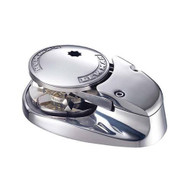
Choosing the right anchor windlass is one of the most important decisions you can make for your anchoring system. The right unit makes anchoring safer and easier, while the wrong model leads to strain, wear and unreliable performance. This guide covers everything you should consider, from windlass type and sizing to rode setup, electrical needs and installation factors.
Step 1: Understand Your Boat’s Requirements
Your boat’s length and weight are the starting point. A heavier vessel needs a windlass with a higher working load, not simply a larger physical unit. Also consider where you boat: saltwater requires better corrosion protection, and deeper anchorages place higher strain on the motor.
For detailed numbers, see our Windlass Sizing Chart.
Step 2: Choose the Right Type of Windlass
Electric vs Manual Windlass
Electric windlasses offer quick, push-button retrieval and are the most common choice. Manual units provide simplicity but require more effort. For a full breakdown, see our Electric vs Manual Windlass Guide.
Vertical or Horizontal Configuration
Your bow layout determines the orientation that will fit correctly.
- Vertical Windlass: Quiet operation and cleaner look, ideal for deep anchor lockers.
- Horizontal Windlass: Easier installation, works with shallow lockers, motor stays above deck.
See our comparison at Vertical vs Horizontal Windlass Guide.
Step 3: Match the Windlass to Your Rode Setup
The windlass must match your anchor, chain and rope. If your gypsy does not fit your rode, you’ll experience slipping and premature wear.
- Anchor: Consider how your anchor sits on the roller and retrieves into the bow.
- Chain Size: Heavier chain increases load; match it to windlass pull capacity.
- Splice Quality: A smooth rope-to-chain splice is essential for proper gypsy engagement.
Review our full Anchor Rode Guide for chain lengths, rope diameters and ideal combinations.
Step 4: Understand Electrical Requirements
Windlasses draw significant current, especially under heavy load. Undersized wiring or breakers lead to overheating and tripping.
- Confirm system voltage (12V or 24V).
- Match breaker size and wiring gauge to manufacturer specs.
- Use marine-grade solenoids, switches and terminals.
Step 5: Installation Factors That Affect Windlass Choice
Proper fitment is essential. Even the right windlass won’t perform well if the installation does not match your boat’s structure.
- Bow Layout: Locker depth, available mounting area and roller alignment all matter.
- Reinforcement: Some bows need backing plates or structural support.
- Chain Path: Chain must run straight from the roller to the gypsy without binding.
See installation details in our Windlass Installation Guide.
Step 6: Reliability, Brands and Long-Term Support
A windlass is a long-term investment. Look for sealed housings, corrosion-resistant materials and strong brand support. Leading marine brands include Lewmar, Powerwinch and Maxwell.
Common Mistakes to Avoid
- Selecting a windlass based only on boat length.
- Ignoring chain weight and rode composition.
- Undersizing wiring and breakers.
- Not checking locker depth before choosing vertical or horizontal.
- Using a gypsy that doesn’t match your rope-chain splice.
Conclusion
Choosing the right windlass comes down to matching your boat’s size, your anchoring style, the rode setup and your bow’s installation layout. A well-matched system makes anchoring safer, faster and more reliable in all conditions.
Ready to Upgrade Your Anchoring System?
Browse our full selection of windlasses and accessories, or contact our team for help selecting the right model for your boat.
Frequently Asked Questions
What size windlass do I need for a 25-foot boat?
It depends more on displacement than length. Most boats in the 22–26 ft range use a mid-sized horizontal windlass with a rope/chain gypsy. See our Sizing Chart for specifics.
Can I install a windlass myself?
If you are comfortable with marine wiring, drilling and bow reinforcement, yes. Otherwise, professional installation is recommended due to alignment and electrical requirements.
Is rope alone enough for a windlass?
No. A section of chain is necessary to reduce strain, improve anchor holding and allow the gypsy to grab consistently.
How often should I service my windlass?
Inspect and clean the gypsy, rinse salt deposits, and check wiring connections at least once per season.