
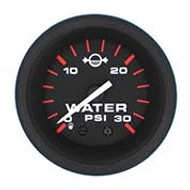
Marine Engine Gauges for Reliable Boat Instrumentation
Monitoring engine performance is essential for safe and efficient boating. Marine engine gauges provide real-time data that helps you operate within manufacturer-recommended limits, identify potential issues early, and maintain consistent performance on the water.
Unlike automotive instruments, marine gauges are built to withstand vibration, moisture, UV exposure, and corrosion. Whether you're replacing a single gauge or upgrading your entire dash panel, choosing marine-grade instrumentation ensures long-term reliability.
Types of Marine Engine Gauges
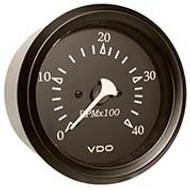
Tachometers
A marine tachometer measures engine revolutions per minute (RPM), helping prevent over-revving and ensuring optimal throttle control.
Oil Pressure Gauges
Oil pressure gauges monitor lubrication system performance. Maintaining proper oil pressure is critical for preventing internal engine damage.
Water Temperature Gauges
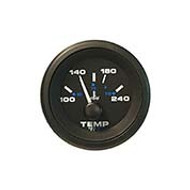
Temperature gauges track engine cooling system performance, alerting you to overheating conditions before serious damage occurs.
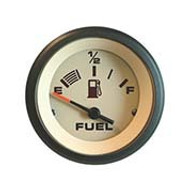
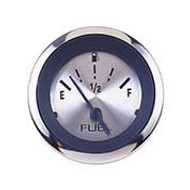
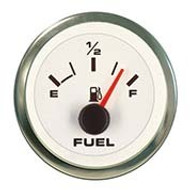
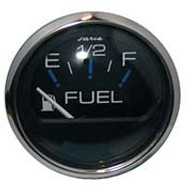
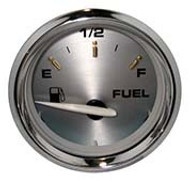
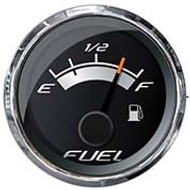
Fuel Level Gauges
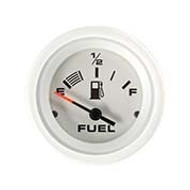
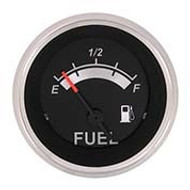
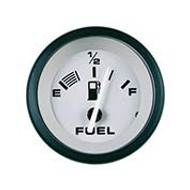
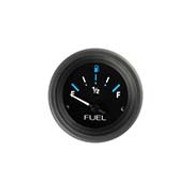
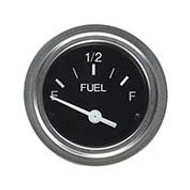
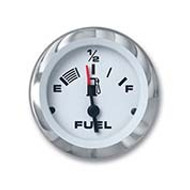
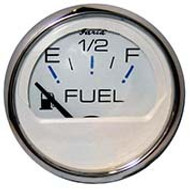
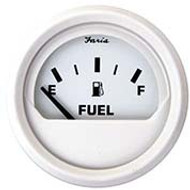
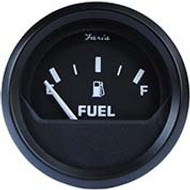
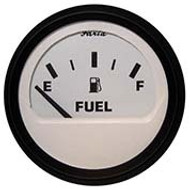
Fuel gauges provide real-time tank level readings so you can plan trips confidently and avoid running out on the water.
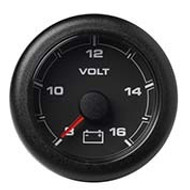
Voltmeters & Battery Gauges
Voltmeters monitor charging system performance, helping you confirm alternator output and battery health.
Trim Gauges
Trim gauges display outboard or sterndrive trim position, assisting with performance tuning and fuel efficiency adjustments.
Choosing the Right Boat Engine Gauges
When selecting marine engine gauges, confirm compatibility with your engine type, voltage system, and sender configuration. Gauge diameter is also important — common dash cutout sizes include 2”, 3-3/8”, and 4”.
If you're updating multiple instruments, consider matching gauge series and backlighting style for a clean, consistent helm appearance. You may also explore complete marine gauge sets for coordinated installations.
Why Marine-Grade Gauges Matter
Marine environments expose instrumentation to constant vibration, humidity, and temperature changes. Marine engine gauges are sealed and corrosion-resistant to withstand these conditions. Using non-marine gauges can lead to premature failure and inaccurate readings.
For brand-specific options, browse our selections of VDO gauges, Faria gauges, Sierra gauges, and other trusted marine instrumentation manufacturers.
Frequently Asked Questions About Marine Engine Gauges
What gauges are essential for a boat?
Essential marine engine gauges typically include a tachometer, oil pressure gauge, water temperature gauge, fuel gauge, and voltmeter. These instruments monitor critical engine functions and system performance.
Are marine gauges universal?
Marine gauges are not completely universal. Compatibility depends on engine type, voltage, sender configuration, and wiring. Always verify specifications before installation.
Can I mix different gauge brands?
Yes, but matching gauge series and electrical compatibility is recommended for consistent appearance and proper sender operation.
What size marine gauges are most common?
Common marine gauge sizes include 2” for smaller auxiliary gauges and 3-3/8” or 4” for tachometers and speedometers. Measure your dash openings before replacing instruments.
Do marine gauges require special senders?
Many gauges require matching senders designed for marine engines. Always confirm sender compatibility when replacing or upgrading instrumentation.