
 |
Fuel Pumps Choose Your Manufacturer |
 |









Boat Fuel Pumps
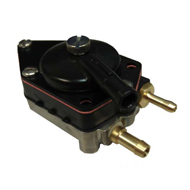
Boat fuel pumps move fuel from the tank toward the engine at the flow and pressure required by the fuel system. Depending on the application, the pump may supply a carburetor, vapor separator, fuel rail, high-pressure pump, or another downstream component.
Wholesale Marine carries marine fuel pumps, assemblies, and repair kits for popular outboard, inboard, and sterndrive engines. Choose your engine manufacturer above to shop compatible fuel-system components.
Types of Marine Fuel Pumps
Marine engines use several fuel-pump designs. The correct type depends on the engine and fuel system:
- Mechanical fuel pumps: Operate through mechanical engine movement and are commonly found on compatible carbureted inboard and sterndrive engines.
- Electric fuel pumps: Use an electric motor to supply fuel at a specified pressure and flow rate.
- Diaphragm fuel pumps: Use a flexible diaphragm and pressure pulses or mechanical action to move fuel in many outboard applications.
- Low-pressure pumps: Move fuel from the tank toward a carburetor, vapor separator, or high-pressure stage.
- High-pressure pumps: Supply fuel-injection systems at the pressure specified by the engine manufacturer.
- Fuel-pump repair kits: Contain application-specific diaphragms, gaskets, seals, check valves, springs, or related service components.
These pump types are not interchangeable. A low-pressure pump cannot replace a required high-pressure pump, and an electric pump should not replace a mechanical or diaphragm pump unless the engine manufacturer approves the conversion.
Choosing the Correct Marine Fuel Pump
Marine engine fuel pumps are application-specific. Pumps that appear similar can differ in pressure, flow capacity, electrical requirements, inlet and outlet design, mounting, venting, and fuel-system compatibility.
Before ordering a replacement marine fuel pump, verify:
- Engine manufacturer
- Engine model and horsepower or displacement
- Model year or production range
- Engine serial or model number
- Gasoline or diesel application
- Carbureted or fuel-injected system
- Mechanical, electric, or diaphragm design
- Low-pressure or high-pressure application
- Required pressure and flow capacity
- Electrical voltage and connector configuration
- Inlet and outlet size, style, and orientation
- Mounting and venting configuration
- Original fuel-pump or replacement part number
Do not select a boat fuel pump using pressure, voltage, engine displacement, or appearance alone. Confirm the complete application using the engine parts catalog, service manual, or manufacturer fitment information.
Fuel Pump Assembly vs. Repair Kit
Some serviceable diaphragm pumps can be rebuilt with a marine fuel-pump repair kit. These kits may include diaphragms, seals, gaskets, valves, springs, or other internal parts. Other pumps are replaced as complete assemblies and are not intended for field rebuilding.
A repair kit is appropriate only when it is specifically listed for the existing pump and engine application. Inspect the pump body, sealing surfaces, fittings, and other reusable components before rebuilding. Replace the complete assembly when required by the manufacturer or when nonserviceable components are damaged.
Signs of a Possible Boat Fuel Pump Problem
Possible symptoms of a failing fuel pump or another fuel-delivery problem include:
- Hard starting or failure to start
- Engine hesitation during acceleration
- Loss of power under load
- Surging, sputtering, or stalling
- Reduced maximum engine speed
- Low or inconsistent fuel pressure
- Failure of an electric pump to operate when commanded
- Fuel leaking from the pump, fittings, or vent system
- Unusual noise from an electric fuel pump
These symptoms do not automatically confirm fuel-pump failure. A clogged fuel filter, blocked tank vent, restricted pickup, faulty anti-siphon valve, deteriorated hose, leaking connection, weak primer bulb, contaminated fuel, carburetor or injector problem, wiring fault, or ignition issue can cause similar symptoms.
Testing a Marine Fuel Pump
Fuel-pump diagnosis should follow the engine manufacturer’s service procedure. There is no universal pressure or flow specification for every marine fuel pump.
A complete fuel-system diagnosis may include:
- Inspecting fuel condition and tank contamination
- Checking the tank vent, pickup, anti-siphon valve, hoses, and primer bulb
- Inspecting and replacing restricted fuel filters as required
- Checking electrical power, ground, fuses, relays, and control circuits
- Measuring fuel pressure at the specified test point
- Testing fuel volume or flow according to the service procedure
- Inspecting the system for air leaks or fuel leaks
- Verifying operation of low- and high-pressure pump stages
Do not bypass safety controls or apply power directly to a pump unless the manufacturer’s test procedure specifically directs it. Fuel systems may retain pressure after the engine is turned off.
Marine Fuel Pump Installation and Safety
Gasoline and diesel fuel are flammable, and improper fuel-system service can create a fire, explosion, or exposure hazard. Follow the engine manufacturer’s pressure-relief and installation procedures.
- Turn off the engine and allow hot components to cool.
- Eliminate flames, sparks, smoking, and other ignition sources.
- Ventilate the work area as required.
- Close the fuel shutoff valve when equipped.
- Disconnect and secure battery power when directed.
- Capture spilled fuel using an appropriate container and absorbent materials.
- Photograph and label hoses, fittings, wiring, and mounting positions.
- Use the specified fuel-rated hoses, fittings, clamps, seals, and wiring.
- Install the pump in the required position and flow direction.
- Prime or bleed the system according to the manufacturer’s procedure.
- Check every disturbed connection carefully for leaks.
- Dispose of spilled fuel and contaminated materials properly.
Use a pump specifically approved for the marine location and fuel-system application. If you do not have the correct procedures, tools, or experience, have the system serviced by a qualified marine technician.
Shop Marine Fuel Pumps at Wholesale Marine
Wholesale Marine carries replacement boat fuel pumps and repair kits for Chris-Craft, Chrysler Inboard, Crusader, Evinrude, Force, Johnson, MerCruiser, Mercury, OMC, PleasureCraft, Volvo Penta, and Yamaha engines. Browse electric, mechanical, diaphragm, low-pressure, high-pressure, and application-specific fuel-pump components.
Choose your engine manufacturer above to shop compatible parts. If you need help identifying the correct marine fuel pump, call our customer-service team at 877-388-2628. Have the engine manufacturer, model, horsepower or displacement, year, serial number, fuel-system type, and existing pump part number available when possible.
Boat Fuel Pump FAQs
What does a boat fuel pump do?
A boat fuel pump moves fuel from the tank toward the engine at the pressure and flow required by the fuel system. Depending on the engine, it may supply a carburetor, vapor separator, fuel rail, high-pressure pump, or another component.
What are the signs of a bad marine fuel pump?
Possible signs include hard starting, hesitation, loss of power, surging, stalling, reduced engine speed, low fuel pressure, leakage, or failure of an electric pump to operate. Filter restrictions, hose problems, contaminated fuel, wiring faults, and other engine conditions can cause similar symptoms.
What is the difference between electric and mechanical marine fuel pumps?
An electric fuel pump uses an electric motor and control circuit to move fuel. A mechanical pump operates through engine movement, while many outboard pumps use pressure pulses to operate a diaphragm. Use only the pump design specified for the engine.
Can I use an automotive fuel pump on a boat?
Do not substitute an automotive pump unless the marine engine manufacturer specifically approves it. Marine fuel pumps may require application-specific pressure, flow, venting, electrical, environmental, and ignition-protection characteristics.
Can a marine fuel pump be rebuilt?
Some serviceable diaphragm pumps can be rebuilt using an application-specific repair kit. Other pumps must be replaced as complete assemblies. Consult the service information and inspect the reusable pump components before choosing a repair kit.
Can I replace a low-pressure pump with a high-pressure pump?
No. Fuel pressure and flow must match the requirements of the engine and fuel system. Installing an incorrect pump can cause poor operation, fuel-system damage, leakage, or a safety hazard.
How do I find the correct marine fuel pump?
Match the pump using the engine manufacturer, model, horsepower or displacement, year, serial number, fuel type, carbureted or injected system, pump design, pressure, flow, voltage, connections, mounting, and original part number.