
Types of VHF Marine Radios
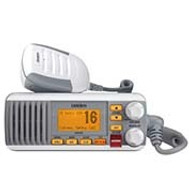
Fixed Mount VHF Radios
Fixed mount VHF radios are permanently installed on a boat and connected to the vessel’s electrical system and an external antenna. These radios typically transmit at higher power levels, often up to 25 watts, allowing for longer communication range and clearer signal performance. Fixed mount radios are commonly used on offshore vessels, cruising boats, and larger recreational boats that require dependable long-distance communication.
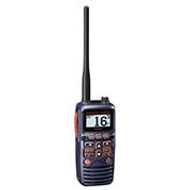
Handheld VHF Radios
Handheld VHF radios are portable, battery-powered communication devices designed for flexibility and convenience. Many boaters use handheld radios on small boats, kayaks, and tenders, or keep one onboard as a backup communication device in case the primary radio loses power. Modern handheld units are compact, waterproof, and capable of transmitting over several miles depending on conditions.
How to Choose the Right VHF Marine Radio
Power Output and Range
Marine VHF radios typically transmit between 1 watt and 25 watts. Higher power output allows for greater communication range, which can be important when boating offshore or in areas with limited radio coverage.
Waterproof Rating
Because marine radios operate in wet environments, choosing a radio with a strong waterproof rating is important. Many radios feature an IPX7 waterproof rating, meaning they can withstand temporary immersion in water.
Digital Selective Calling (DSC)
Many modern VHF radios include Digital Selective Calling (DSC), which allows boaters to send automated distress signals with GPS location information. DSC radios provide an important safety feature for emergency communication.
Ease of Operation
Look for marine radios with clear displays, large buttons, and intuitive controls. Easy operation becomes especially important when communicating during rough weather or emergency situations.
Why Every Boat Should Carry a VHF Marine Radio
While mobile phones may work near shore, VHF marine radios remain one of the most reliable communication tools for boaters. They allow direct communication with nearby vessels, marinas, bridge operators, and emergency services on designated marine radio channels.
Many experienced boaters install a fixed mount VHF radio as their primary communication system and keep a handheld VHF radio onboard as a backup safety device.
Frequently Asked Questions About VHF Marine Radios
What is a VHF marine radio used for?
A VHF marine radio is used for communication between boats, marinas, bridge operators, and emergency services. It operates on designated marine radio channels and is one of the most reliable communication tools for boaters.
Do I need a VHF radio on my boat?
While not always legally required for recreational boaters, a VHF marine radio is strongly recommended for safety. It allows you to communicate with other vessels and contact emergency services if needed.
What is Channel 16 used for on a marine radio?
Channel 16 is the international distress, safety, and calling channel used for marine VHF communication. Boaters monitor Channel 16 for emergency calls and may use it to initiate contact with other vessels before switching to a working channel.
What is the difference between handheld and fixed mount VHF radios?
Fixed mount VHF radios are installed on the boat and typically provide higher transmission power and longer range. Handheld VHF radios are portable, battery-powered devices often used on smaller boats or as backup communication systems.
How far can a VHF marine radio transmit?
The range of a VHF marine radio depends on power output, antenna height, and surrounding conditions. Fixed mount radios with external antennas can often transmit 20 miles or more, while handheld radios typically transmit several miles.