






How to Choose a Bilge Pump for Your Boat
Choosing a boat bilge pump starts with more than its gallons-per-hour rating. The right replacement also needs to match your electrical system, discharge hose, available mounting space, and pump controls. Whether you are replacing an existing pump or planning an upgrade, compare these requirements before ordering.
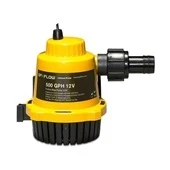
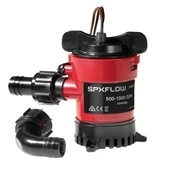
Wholesale Marine carries bilge pumps from Rule, Johnson Pump, and Attwood, along with switches and discharge hoses. Use the guide below to narrow your choices and identify the components your installation requires.
Automatic vs. Non-Automatic Bilge Pumps
Automatic bilge pumps use built-in controls to operate without someone turning on a switch. The detection method varies by model, so check whether the pump uses a float, an electronic sensor, or periodic water checks. Review the product specifications to confirm how it operates and whether additional controls are needed.
Non-automatic bilge pumps require an external control. Depending on the model and installation, that can be a manual panel switch, a compatible float switch, or both. A non-automatic pump can therefore be part of an automatically controlled system when paired with the appropriate switch.
Check what “manual” means before buying. Some electric bilge pumps are described as manual because they require external switching. That does not mean they are hand-operated pumps. Confirm the power source and control method in the individual listing.
Understanding Bilge Pump GPH Ratings
GPH stands for gallons per hour and describes pumping capacity under specified test conditions. Compare manufacturer performance data at the same discharge height, also called head, rather than relying only on the number in the product name.
Water must travel through the discharge system before leaving the boat. Vertical lift, long hose runs, bends, and restrictive fittings can reduce actual flow. A higher-rated pump will not resolve every limitation in the existing plumbing.
For a replacement, start with the boat manufacturer's requirements and the specifications of the installed system. Boat length alone is not enough to select pumping capacity. If you are changing the system's capacity or layout, have a qualified marine technician review the proposed setup.
What to Check Before Ordering a Replacement
- Existing pump identification: Record the brand, model number, and specifications. Photos of the pump label, mounting area, outlet, and controls can help you compare replacements.
- Voltage and electrical requirements: Match the pump to the boat's electrical supply. Check the manufacturer's requirements for wiring, fuse protection, and controls.
- Discharge connection: Confirm the pump outlet size and the inside diameter of the existing hose. Review any included outlet adapters.
- Mounting footprint: Measure the available space and compare the pump's dimensions, base, and outlet orientation.
- Service clearance: Leave access to inspect the intake and remove serviceable components.
- Included components: Check whether the listing includes a switch, mounting base, adapters, or other installation parts.
Replacing a Pump vs. Upgrading the System
A compatible replacement starts with matching the existing installation requirements. Do not assume that pumps with the same GPH rating share the same mounting base, hose connection, or controls.
An upgrade deserves a broader review. Before ordering a different pump, compare its installation instructions with your current setup and make a list of any additional components needed. This helps you avoid discovering a mismatch after the old pump has been removed.
Bilge Pump Switches and Discharge Hoses
Shop bilge pump switches when replacing an external control or adding compatible automatic operation. Compare the switch's voltage and current rating with the pump requirements, and check the available mounting space.
When replacing bilge pump hose, confirm the required diameter and length before ordering. Review the pump manufacturer's plumbing instructions when choosing hose and fittings.
Keeping Your Bilge Pump Ready to Work
Regularly test the pump and its automatic control, if equipped. Keep the intake clear of debris and inspect the system according to the manufacturer's maintenance instructions. Automatic operation still depends on a functioning pump, controls, and power supply.
Bilge pumps handle normal accumulated water, such as rain and spray. They should not be treated as a solution for flooding caused by hull damage.
Bilge Pump FAQs
Does an automatic bilge pump need a separate float switch?
Models with built-in automatic controls generally do not need a separate float switch for activation. Check the specific model's instructions to confirm its control method and wiring options.
Can I replace my bilge pump with a different brand?
Compare the replacement's voltage, pumping performance, outlet size, dimensions, mounting arrangement, and control requirements. Matching the brand or GPH rating alone does not confirm compatibility.
What information should I have ready when shopping for a replacement?
Have the existing pump's model number, voltage, capacity rating, hose diameter, and mounting measurements available. Also note whether it has built-in automatic controls or uses a separate switch.
What should I check if my bilge pump is running but moving little water?
Check for debris at the intake and restrictions in the discharge hose. Follow the model's troubleshooting instructions before replacing the pump, and have unresolved electrical or plumbing issues evaluated by a qualified marine technician.
Shop Boat Bilge Pumps and Accessories
Browse the products above to compare bilge pump models and specifications. Complete your selection with compatible switches and hoses, and review the manufacturer's installation instructions before fitting your new pump. For help finding a replacement, contact Wholesale Marine at 877-388-2628 with your existing pump information.