
Marine Battery Chargers for Reliable Boat Power
Marine battery chargers are essential for maintaining healthy batteries and dependable onboard power. Unlike standard automotive chargers, marine battery chargers are built to handle moisture, vibration, and the unique electrical demands of boat systems.
Whether you run a small fishing boat or a larger vessel with multiple batteries, a reliable charger helps keep starting batteries, trolling motor batteries, and house batteries properly maintained between trips.
Types of Marine Battery Chargers
Boat owners use several different types of battery chargers depending on their setup and charging needs.
Onboard Battery Chargers
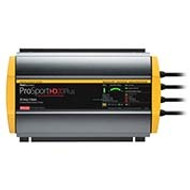
Onboard battery chargers are permanently installed in the boat and charge batteries automatically when connected to shore power. These chargers are ideal for multi-battery systems and help maintain batteries between fishing trips.
Solar Battery Chargers
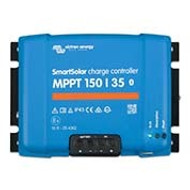
Marine solar battery chargers provide an off-grid charging solution by using solar panels to generate power. These chargers are often used to maintain batteries during storage or on boats that spend extended time away from shore power.
Portable Battery Chargers
Portable marine battery chargers provide flexibility for charging batteries at home, in the garage, or at the dock. Many models feature smart charging technology that automatically adjusts the charging process to protect the battery.
Supporting Marine Battery Components
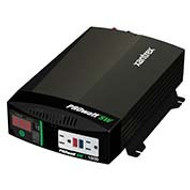
A complete marine electrical system includes more than just the charger itself. Boat owners often pair chargers with additional power system components such as lithium marine batteries for improved energy storage, marine battery boxes for protection and secure mounting, and marine power inverters that convert battery power into usable AC electricity.
Replacement parts and installation components can also be found in our selection of marine battery charger accessories.
Shop Marine Battery Chargers
Choosing the right charger helps ensure your boat’s batteries remain fully charged, properly maintained, and ready for use whenever you head out on the water. Marine battery chargers are designed to deliver dependable performance while protecting valuable battery systems.
If you need help selecting the right charger for your boat, our knowledgeable team is available Monday through Friday from 9:00 AM to 6:00 PM EST at (877) 388-2628.
Marine Battery Chargers FAQ
What is a marine battery charger?
A marine battery charger is a charger specifically designed for boat batteries. These chargers are built to withstand moisture and vibration while safely charging marine starting batteries, trolling motor batteries, and house batteries.
Can marine battery chargers charge multiple batteries?
Yes, many marine battery chargers are designed to charge multiple batteries at the same time. Multi-bank chargers allow each battery to be charged independently while maintaining proper voltage levels.
What is the difference between onboard and portable battery chargers?
Onboard battery chargers are permanently installed in the boat and charge batteries when connected to shore power. Portable chargers are removable units that can be used to charge batteries in different locations.
Do marine battery chargers work with lithium batteries?
Some marine battery chargers are compatible with lithium batteries, but it is important to confirm the charger supports lithium battery chemistry before using it with lithium marine batteries.
How long does it take to charge a marine battery?
Charging time depends on battery capacity, charger output, and the battery’s current charge level. Larger batteries or lower amp chargers may require several hours to fully recharge.