
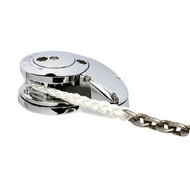
Selecting the right anchor rode is essential for safe, reliable anchoring. The rode connects your boat to the anchor and absorbs shock loads, resists abrasion, and ensures consistent holding in varying conditions. The wrong rode can cause dragging, premature wear, or windlass issues—while the right setup enhances safety, performance, and ease of use.
This guide explains the types of anchor rodes, how to size them correctly, how they interact with windlasses, and which materials work best for your anchoring system.
What Is an Anchor Rode?
An anchor rode is the full length of rope, chain, and connectors linking your boat to the anchor. A complete rode often includes:
- Nylon rope
- A chain section
- Shackles or swivels
- A rope-to-chain splice
- Optional chafe protection
Rope/Chain vs All-Chain: Which Rode Setup Is Best?
Your anchor rode can be configured in two primary ways. Each has its own advantages depending on your boat, anchoring habits, and windlass system.
Rope/Chain Combination Rode
This is the most common setup for recreational powerboats and cruisers.
Advantages
- Lighter weight
- Easier on windlasses and anchor lockers
- Excellent stretch for shock absorption
- Requires less chain for good holding
- Easier to handle manually
Shop rope/chain rodes: Anchor Rode Selection
All-Chain Rode
An all-chain rode uses 100% chain from anchor to locker.
Advantages
- Maximum abrasion resistance
- Excellent holding in rocky or coral bottoms
- Improves anchor angle for better bite
- Ideal for deep-water anchoring
Considerations
- Much heavier than rope/chain combinations
- Requires deeper anchor lockers
- Works best with powerful windlasses
- Needs precise gypsy compatibility
Browse chain options: Anchor Chain & Shackles
How to Choose the Right Rode for Your Boat
1. Boat Length & Displacement
| Boat Size | Ideal Rode Setup |
| Under 22 ft | Rope/chain combo |
| 22–40 ft | Rope/chain or all-chain |
| 40+ ft | All-chain recommended |
2. Anchor Type & Weight
Your rode must match your anchor’s working load. Heavy modern anchors—such as plow, scoop, or claw designs—benefit from longer chain sections.
Shop anchors: Boat Anchors
3. Bottom Conditions
| Bottom Type | Recommended Rode |
| Sand / Mud | Rope/chain combo |
| Grass / Silt | Longer chain section |
| Rock / Coral | All-chain or heavy chain leader |
4. Windlass Compatibility
If you use a windlass, your rode MUST match the gypsy size exactly. That includes rope diameter, chain link pitch, and splice type.
Explore compatible windlasses:
How Much Rode Do You Need? (Scope Guide)
Scope is the ratio of rode length to water depth.
- 3:1 — Calm conditions, short stops
- 5:1 — Daily anchoring
- 7:1 — Overnight anchoring
- 10:1 — Strong winds or poor holding
Example:
At 15 feet of depth: 5:1 = 75 ft of rode.
Understanding Chain Types & Sizes
The three most common marine chain types are:
G4 / High Test Chain
- High strength-to-weight ratio
- Most popular for windlasses
BBB Chain
- Short link chain
- Often compatible with windlass gypsies
Proof Coil Chain
- Economical
- Not ideal for windlasses
Choosing the Right Anchor Rope
Best Rope Types
3-Strand Nylon
- Most stretch (best for shock absorption)
- Easy to splice
- Windlass-friendly
Double Braid Nylon
- Less stretch but stronger
- Preferred for consistent diameter in windlass systems
Explore nylon anchor rope: Anchor Line
Rope-to-Chain Splices
A proper rope-to-chain splice ensures smooth transition through the gypsy. Using knots, shackles, or non-windlass splices can cause jams and dangerous operation.
Shackles, Swivels & Connectors
Use rated, properly sized shackles or swivels to connect chain to your anchor or rode. Always match pin size to the chain link diameter.
Shop connectors: Anchor Swivel
Anchor Locker & Rode Management
- Ensure adequate fall distance (chain requires more)
- Smooth interior surfaces prevent abrasion
- Locker must allow proper rode stacking
- Mark rope at intervals for scope tracking
Common Rode Mistakes to Avoid
- Mixing rope and chain sizes that don’t match the windlass
- Using undersized chain for boat weight
- Too little scope
- Ignoring windlass gypsy compatibility
- Using weak or corroded shackles
- Improper rope-to-chain splices
Frequently Asked Questions
How long should my anchor rode be?
Most boats require 7–10 times the water depth for safe overnight anchoring. Day anchoring typically requires 3–5 times depth.
Can I use all rope with a windlass?
Most windlasses require a rope/chain combination. All-rope rodes usually do not grip the gypsy correctly.
How much chain should I have in a rope/chain rode?
Common setups use 10–30 feet of chain, but deeper anchoring or strong currents may require more.
What size anchor rope do I need?
Most mid-size boats use 1/2" or 5/8" nylon rope. Choose rope size based on boat length and displacement.
What splice works with a windlass?
A windlass-compatible rope-to-chain splice specifically designed to match gypsy pockets. Avoid knots or temporary connectors.