
Marine Antifreeze Product Listings
Results (7)
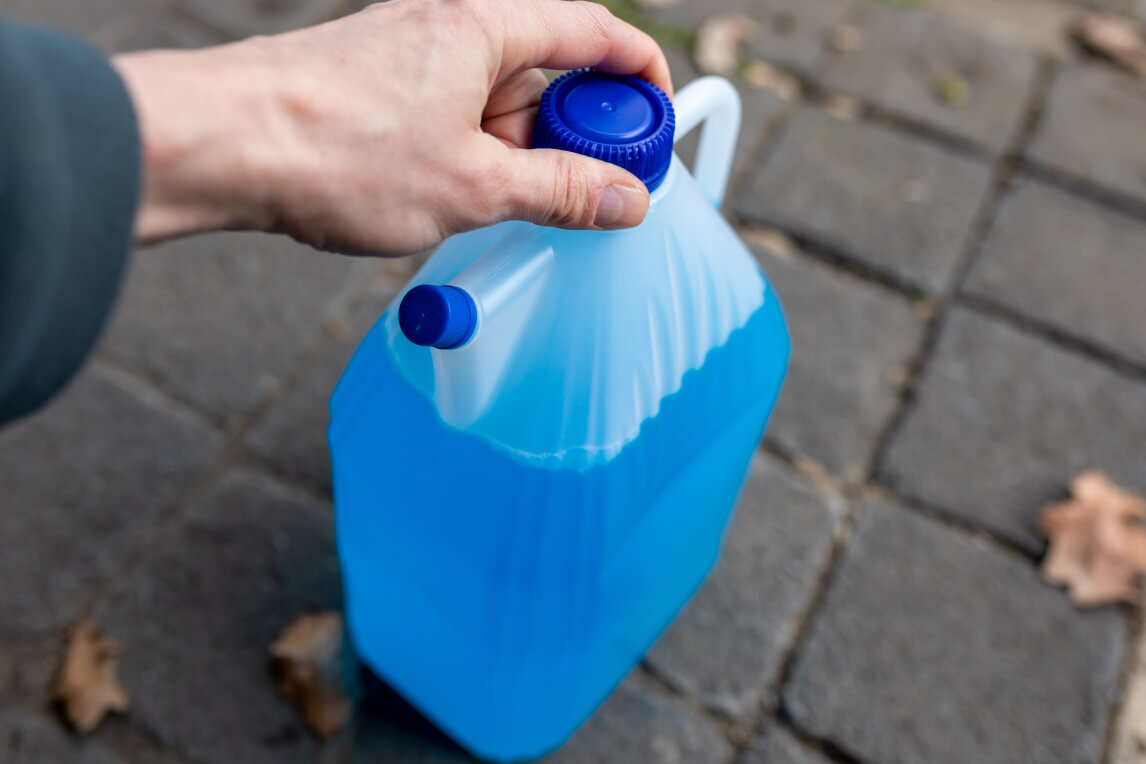
Choose Marine Antifreeze for Your Boat
Boat antifreeze helps protect compatible water systems during winter storage. Start by identifying the systems you need to winterize, such as freshwater plumbing, sanitation lines, livewells, or an engine cooling system that calls for antifreeze. Check each product label and your equipment manuals before choosing a formula.
Shop the individual gallons above for smaller projects, or compare our bulk Prime Guard options when you need antifreeze for multiple boats or a larger operation. Product concentration, intended uses, package quantities, and protection ratings vary.
Shop Boat Antifreeze by Protection Rating
Our Starbrite Sea Safe selection includes –50°F antifreeze, –100°F antifreeze, and a –200°F concentrate. We also carry Prime Guard marine antifreeze in bulk quantities.
The large temperature number on a marine winterizing antifreeze label commonly refers to burst protection, not the temperature at which the liquid first begins to freeze. A concentrate may also have different mixing directions from a ready-to-use product. Compare the product’s labeled protection, application, and instructions rather than choosing by the number alone.
For a closer look at ratings and formulas, read our guide to choosing antifreeze for winterizing your boat.
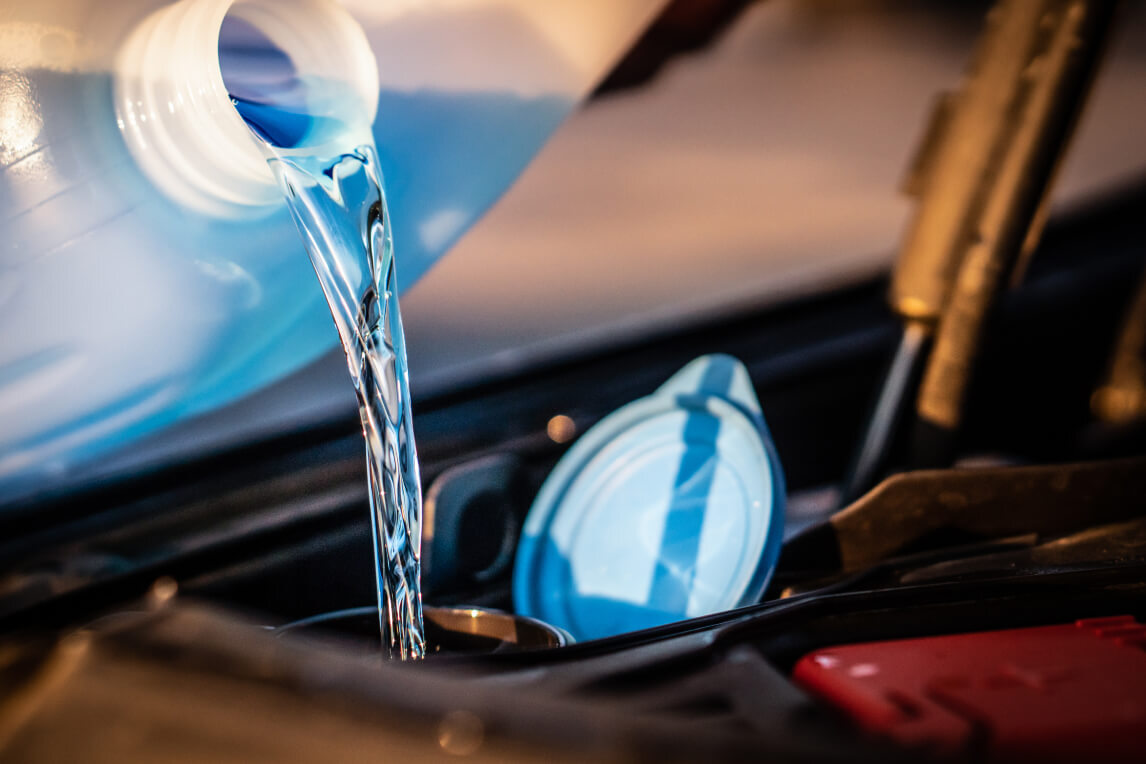
Match the Antifreeze to the System
- Freshwater and potable-water plumbing: Choose a product whose label specifies use in potable-water systems. Drain the system as directed before adding antifreeze, and follow the manufacturer’s instructions for flushing it before the system is used again.
- Sanitation, livewell, and washdown systems: Check the instructions for each pump, tank, and line. Confirm that the antifreeze is approved for the materials and intended application.
- Engines: Follow the engine manufacturer’s winterization procedure. Requirements differ among outboards, sterndrives, and inboards; do not assume every engine needs antifreeze circulated through it.
Residual water can dilute antifreeze and change the protection provided. Follow the system and product directions for draining, application, and any required concentration.
Get the Supplies for Your Winterization Project
Once you know which systems require treatment, review the product listings above for the right formula and quantity. If you are preparing more than the water systems, browse our boat winterization supplies for other seasonal maintenance needs.
Check the quantity on bulk listings carefully: some Prime Guard products are sold by the pallet as individual gallons, while others are sold in drums.
Marine Antifreeze FAQs
What does a –50°F or –100°F antifreeze rating mean?
On many marine winterizing products, the advertised number is a burst-protection rating, not the temperature at which the fluid first begins to freeze. Read the individual label for its stated rating, intended uses, and directions. Dilution can affect the protection provided.
Can I use automotive antifreeze to winterize my boat’s freshwater system?
Do not use automotive engine coolant in a potable-water system. Choose a marine or RV winterizing antifreeze specifically labeled for potable-water plumbing, and follow its application and spring flushing directions.
Should I drain my boat’s water lines before adding antifreeze?
Follow the system manufacturer’s draining procedure before adding antifreeze. Water left in the lines can dilute the product, so check the antifreeze label for the correct application method and protection level.
Does every boat engine need winterizing antifreeze?
No single procedure applies to every engine. Winterization depends on the engine and cooling-system design. Follow the engine manufacturer’s instructions to determine whether antifreeze is needed and how to apply it.