
 |
Alternators Choose Your Manufacturer |
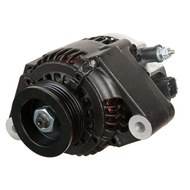 |






Marine Alternators
Marine alternators convert mechanical energy from a running engine into electrical energy. This output helps recharge the starting battery and supply compatible onboard electrical loads while the engine is operating.
Wholesale Marine carries replacement boat alternators for popular inboard, sterndrive, and outboard engine applications. Choose your engine manufacturer above to shop compatible marine charging-system components.
Marine Alternators vs. Automotive Alternators
A marine alternator may resemble an automotive alternator, but appearance does not establish compatibility. Marine units can use application-specific corrosion protection, mounting arrangements, electrical connections, grounding methods, regulators, fans, pulleys, and protective construction.
Alternators installed where gasoline vapors may be present must meet the applicable marine ignition-protection requirements for that location. Do not substitute a car or truck alternator unless the marine engine manufacturer specifically approves the component for the installation.
Choosing a Replacement Marine Alternator
Boat alternators are application-specific. Units with similar housings may differ in output, mounting geometry, pulley alignment, wiring, grounding, or safety certification.
Before ordering a replacement marine alternator, verify:
- Engine manufacturer
- Engine model and displacement
- Model year or production range
- Engine serial or model number
- Original alternator and replacement part numbers
- System voltage and rated amperage
- Mounting-foot style and dimensions
- Pulley type, diameter, groove count, and alignment
- Internal or external regulator configuration
- Case-ground or isolated-ground design
- Electrical connector and terminal configuration
- Tachometer or sensing-terminal requirements
- Applicable marine ignition-protection requirements
Do not select a marine engine alternator using amperage or engine displacement alone. Compare the complete application information with the engine parts catalog, wiring diagram, or service manual.
Signs of a Possible Boat Alternator Problem
Possible signs of a failing alternator or another charging-system problem include:
- A charging-system warning light, alarm, or fault code
- Battery voltage decreasing while the engine operates
- Repeatedly discharged batteries
- Dim, flickering, or unusually bright lights
- Electrical equipment operating inconsistently
- Unusual bearing, belt, or pulley noise
- A loose, slipping, glazed, or damaged drive belt
- Burning odor, excessive heat, or visible wiring damage
- Corroded, loose, or overheated alternator connections
These symptoms do not automatically confirm alternator failure. A discharged or damaged battery, loose belt, corroded cable, poor ground, blown fuse, faulty regulator, battery switch, isolator, wiring problem, or excessive electrical load can produce similar symptoms.
Testing a Marine Charging System
There is no single voltage reading that diagnoses every marine alternator. Expected readings depend on system voltage, battery condition and chemistry, regulator strategy, engine speed, temperature, electrical load, wiring, and the manufacturer’s testing procedure.
A complete charging-system diagnosis may include:
- Inspecting battery condition and state of charge
- Checking belt condition, tension, and pulley alignment
- Inspecting positive cables, grounds, connectors, and fuses
- Measuring voltage at manufacturer-specified test points
- Performing voltage-drop tests under the specified load
- Testing alternator output at the required engine speed
- Checking for excessive AC ripple or diode problems
- Verifying regulator, sensing-wire, isolator, and battery-switch operation
Follow the engine and alternator manufacturer’s service procedures and specifications. Disconnecting a battery cable while the engine is running is not an appropriate alternator test and may damage charging-system or electronic components.
Marine Alternator Installation and Safety
Alternator replacement involves high-current battery connections, rotating components, and belt alignment. Disconnect and secure the batteries according to the engine manufacturer’s instructions before beginning service.
- Photograph and label wires before disconnecting the original alternator.
- Confirm the replacement part number, voltage, output, mounting, and pulley configuration.
- Inspect the drive belt, tensioner, brackets, cables, and terminals.
- Transfer pulleys or spacers only when permitted by the manufacturer.
- Align the pulley correctly with the other belt-driven components.
- Set belt tension according to the engine manufacturer’s specification.
- Install electrical hardware in the correct order and tighten it properly.
- Replace insulating boots and protective terminal covers.
- Verify charging-system performance after installation.
If you do not have the correct wiring diagram, test equipment, tools, or experience, have the charging system serviced by a qualified marine technician.
Shop Boat Alternators at Wholesale Marine
Wholesale Marine carries marine alternators and related electrical components for Honda, Indmar, MerCruiser, Mercury, OMC, PleasureCraft, and Volvo Penta engine applications. Our selection includes replacement charging components from trusted marine brands such as Sierra Marine.
Choose your engine manufacturer above to shop compatible boat alternators. If you need help identifying the correct replacement, call our customer-service team at 877-388-2628. Have the engine manufacturer, model, year, serial number, original part number, voltage, and amperage available when possible.
Marine Alternator FAQs
What does a marine alternator do?
A marine alternator converts mechanical energy from a running engine into electrical energy. Its output helps recharge the battery and supply compatible onboard electrical loads while the engine operates.
Can I use a car alternator on a boat?
Do not substitute an automotive alternator unless the marine engine manufacturer specifically approves it. Marine alternators may require application-specific corrosion resistance, mounting, wiring, grounding, output, and ignition-protected construction.
What are the signs of a bad boat alternator?
Possible signs include a charging warning, repeatedly discharged batteries, decreasing system voltage, flickering electrical equipment, belt noise, overheating, or damaged connections. Battery, belt, wiring, grounding, regulator, and electrical-load problems can cause similar symptoms.
What voltage should a boat alternator produce?
The correct charging voltage depends on the electrical system, battery chemistry and condition, regulator, temperature, engine speed, and electrical load. Use the testing procedure and specification published by the engine or alternator manufacturer.
Does an outboard motor have an alternator?
Outboard charging-system designs vary. Some use an alternator assembly, while others use stator, rectifier, and regulator components integrated into the engine. Consult the outboard parts catalog using the model and serial number to identify the correct charging components.
Can I replace a marine alternator with a higher-output model?
A higher-output alternator should only be installed after confirming compatibility with the engine brackets, pulley and belt system, wiring, overcurrent protection, regulator, battery bank, and charging components. Increased rated output does not guarantee that the existing system can safely support the upgrade.
How do I find the correct marine alternator?
Match the alternator using the engine manufacturer, model, year, serial number, original part number, voltage, amperage, mounting style, pulley, regulator, grounding method, and electrical connections. Do not select a replacement using appearance or amperage alone.